BERLIN, GERMANY – June 18, 2026 – On the sidelines of the Berlin Climate Mobility Forum, Her Excellency President Hilda C. Heine visited several of Berlin’s most significant cultural and historical landmarks, reflecting on the importance of preserving heritage, honoring history, and promoting understanding among peoples and nations.
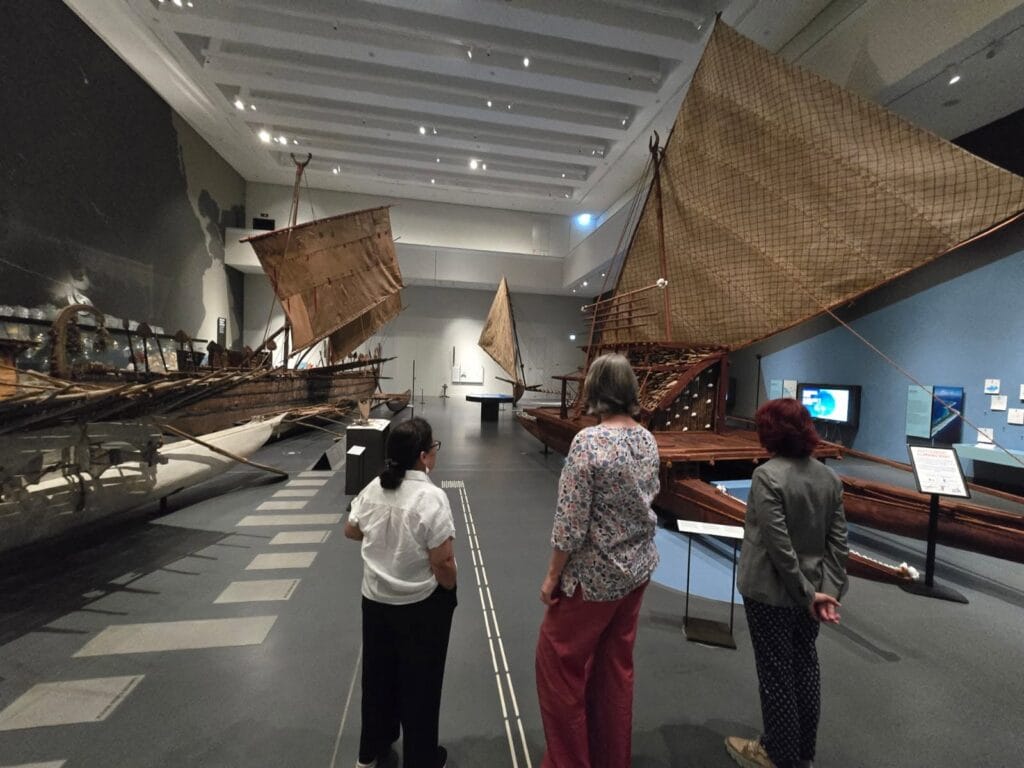
President Heine visited the Humboldt Forum Museum, one of Germany’s premier cultural institutions dedicated to fostering dialogue on global history, culture, and contemporary challenges. During the visit, she viewed historic Marshallese artifacts on display, underscoring the importance of preserving and sharing the cultural heritage of the Marshall Islands and ensuring that the histories and traditions of Pacific peoples are recognized and valued on the global stage.
Following the conclusion of the Forum, President Heine visited the Memorial to the Murdered Jews of Europe, where she paid tribute to the millions of Jewish victims who suffered persecution and lost their lives during the Holocaust. The visit served as a solemn reminder of the importance of remembrance, human dignity, and the collective responsibility to stand against hatred, discrimination, and injustice.
President Heine also visited a preserved section of the Berlin Wall, reflecting on the lessons of a divided world and the enduring value of freedom, unity, and reconciliation. She concluded her visits at the iconic Brandenburg Gate, one of Germany’s most recognized national landmarks and a powerful symbol of peace, unity, and the reunification of Germany following the end of the Cold War.
The visits highlighted the shared importance of preserving cultural heritage, learning from history, and fostering dialogue across cultures and generations. For the Republic of the Marshall Islands, these values remain central to advancing international cooperation and ensuring that the experiences, traditions, and aspirations of small island nations continue to be represented in global conversations about the future.